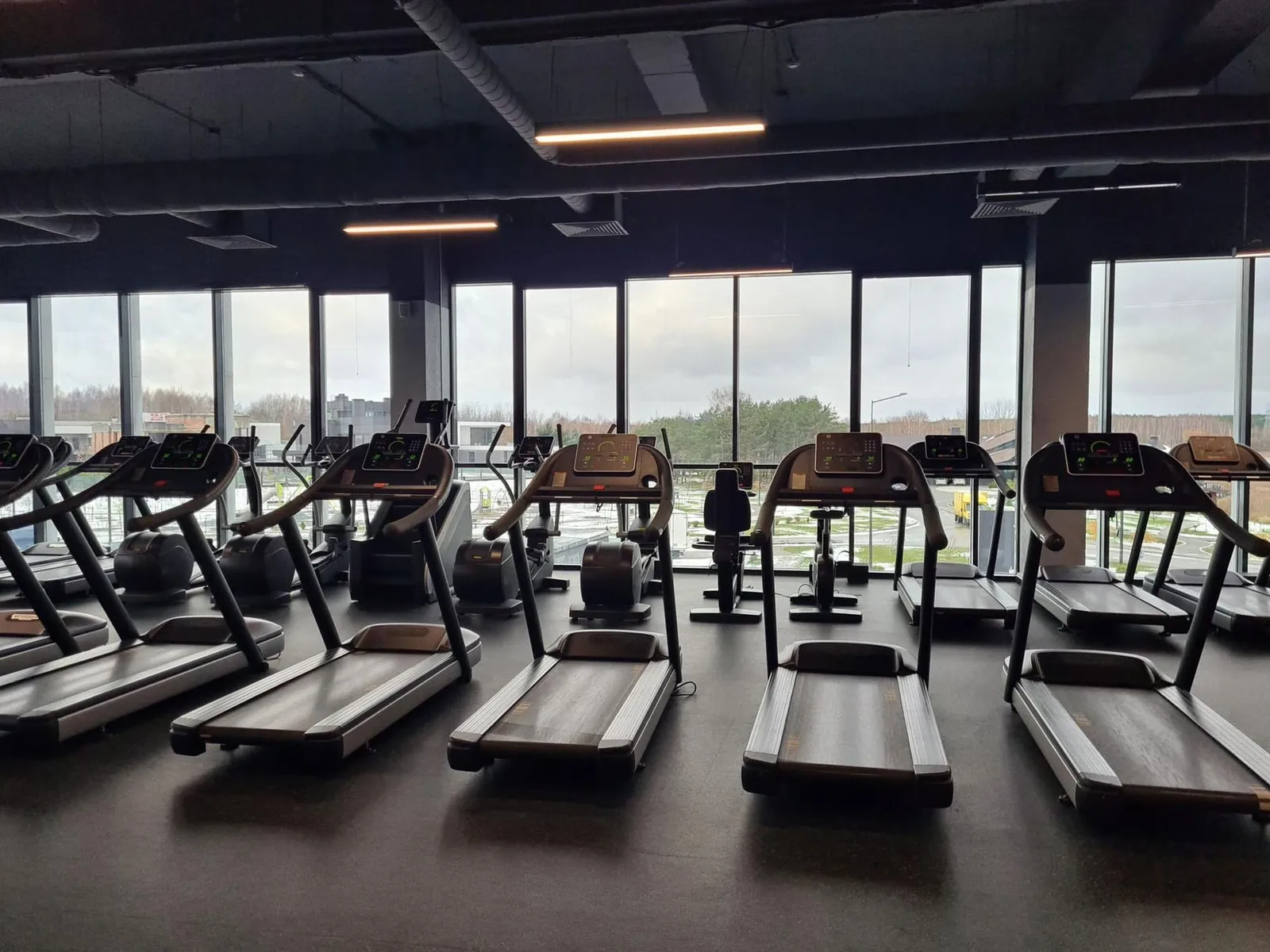
Strength training is the most valuable exercise for most women in perimenopause and menopause. It helps protect bone and muscle as oestrogen falls, supports a healthy body composition, and makes everyday life easier. Combine two or three strength sessions a week with walking or other weight-bearing activity. Exercise is not a proven treatment for hot flushes, but it helps with mood, sleep and long-term health.
I’m Gawhar Ahmad, pharmacist and head coach at Being Fit. We offer menopause coaching that combines training, nutrition and lifestyle support. This guide explains what the evidence shows, and where medicines and supplements fit in.
Key takeaways
- Menopause usually happens between 45 and 55, according to the NHS, but can happen earlier.
- The NHS recommends regular weight-bearing and resistance exercise to help protect against weakening bones.
- In the LIFTMOR trial, supervised heavy strength and impact training improved spine bone density in postmenopausal women with low bone mass.
- A Cochrane review found no clear evidence that exercise reduces hot flushes. It helps in other ways.
- Talk to a doctor before taking herbal remedies for menopause. Evidence is limited and some interact with medicines.
What happens to your body around menopause?
The NHS describes menopause and perimenopause as a natural part of life, when periods change and eventually stop due to lower hormone levels. It usually affects women between 45 and 55, but can happen earlier. Symptoms vary widely and can include hot flushes, night sweats, poor sleep, low mood, anxiety, joint aches and changes in weight.
Falling oestrogen also affects bone. The NHS explains that oestrogen is essential for healthy bones, and that the fall in oestrogen after menopause can lead to a rapid decrease in bone density, raising the risk of osteoporosis and fractures later in life. Muscle mass also declines with age if you do not use it. Both are reasons to make strength training a priority.
Why is strength training so important in menopause?
The NHS advises regular exercise, with a focus on weight-bearing exercise to build strength, as this can help protect against weakening bones. It specifically mentions activities where your feet and legs support your weight, such as walking, running or dancing, and resistance exercise such as using weights.
Research supports going beyond very light exercise. In the LIFTMOR trial, 101 postmenopausal women with low bone mass were randomly assigned to either eight months of supervised, twice-weekly heavy strength and impact training, or a home-based low-intensity programme. The heavy training group improved lumbar spine bone density by about 2.9%, while the low-intensity group lost about 1.2%, and the heavy training group also improved in every measure of physical function. Importantly, the training was closely supervised and progressed carefully. That is not something to try alone from day one.
Strength training also helps body composition. A 2022 meta-analysis found that strength training on its own reduced body fat percentage and visceral fat, the deeper fat around the organs that many women notice increasing around this time.
Can exercise help with menopause weight gain?
Yes, as part of a wider plan. Many women find weight shifts towards the middle during this stage. Strength training keeps muscle, cardio and daily steps increase energy use, and good nutrition does the rest. Our 12-week belly fat plan and guide to HIIT and strength training explain how to put it together.
Does exercise help hot flushes?
Honestly, probably not much. A Cochrane review found no evidence of a difference in hot flushes between exercise and no intervention, although the quality of the evidence was low. Hormone therapy is considered the most effective treatment for hot flushes, and that is a conversation for your doctor.
The NHS suggests practical steps for hot flushes, such as lightweight clothing, a cool bedroom, cold drinks, and reducing triggers like spicy food, caffeine and hot drinks. In Dubai, training in air conditioning, early in the morning or online at home can make sessions more comfortable.
Can exercise help with sleep and mood?
Many women find it does. The NHS lists regular exercise, plenty of rest and relaxing activities such as yoga, tai chi or meditation among the things that can help menopause symptoms. Mood swings, low mood and anxiety are common, and cognitive behavioural therapy can help with these and with sleep problems. If you are struggling, talk to your doctor.
What should I know about supplements and medicines?
As a pharmacist, this is where I see the most confusion. The NHS says herbal remedies such as red clover and black cohosh are sometimes sold for menopause symptoms, but there is very little evidence on how well they work or how safe they are, and some can cause serious side effects when taken with other medicines. Talk to your doctor before taking them.
For bones, the NHS advises getting enough calcium from foods such as milk, yoghurt and kale, and taking vitamin D supplements. Hormone replacement therapy (HRT) can also reduce the risk of osteoporosis, and the decision about HRT is one to make with your doctor, based on your symptoms and health history. Remember that HRT is not contraception. Our pharmacist’s guide to supplements covers vitamin D and other common supplements.
How should I start strength training in menopause?
- Get checked if needed. If you have known low bone density, a previous fracture, joint problems or a heart condition, speak to your doctor first.
- Start with two full-body sessions a week: squats or sit-to-stands, hip hinges, rows, presses and carries.
- Learn technique first, then progress the weight gradually. The aim is for the last few reps to feel challenging.
- Add weight-bearing cardio such as brisk walking, stairs or dancing on most days.
- Include balance and mobility work. Pilates and yoga are good partners to strength training.
- Eat enough protein to support muscle, spread across your meals.
Worried about bulking up? Read 7 myths about strength training for women.
How does Being Fit’s menopause coaching work?
We start with an assessment of posture, movement, mobility and body composition, and ask about your symptoms, health history and medicines. Your programme combines strength, mobility and conditioning, with a customised nutrition plan and lifestyle coaching for sleep, stress and habits included in every package. Sessions can take place at your home, your building gym or online, and you can request a female coach. We work alongside your doctor’s advice.
Want a menopause plan built around your body and schedule? Book your free trial and assessment, WhatsApp us on 058 572 2691 or email info@beingfit.ae. Every way to reach us is on our contact page.
Frequently asked questions
What is the best exercise during menopause?
Strength training combined with weight-bearing activity such as walking. The NHS recommends both to help protect against weakening bones.
Is heavy lifting safe after menopause?
In the LIFTMOR trial, closely supervised heavy training was safe and effective for women with low bone mass. Start with guidance, learn technique and progress gradually, and check with your doctor if you have osteoporosis or a previous fracture.
Will exercise stop hot flushes?
Probably not. A Cochrane review found no clear effect on hot flushes. Exercise does help bones, muscle, weight and wellbeing.
Are herbal remedies for menopause safe?
The NHS says there is very little evidence on how well they work or how safe they are, and some can interact with other medicines. Speak to your doctor first.
Do you offer female coaches for menopause coaching?
Yes. We have highly qualified female coaches. Tell us your preference when you book.
Sources
- NHS: Menopause and perimenopause
- NHS: Things you can do to help menopause and perimenopause symptoms
- NHS: Treatment for menopause and perimenopause symptoms
- NHS: Osteoporosis causes
- NHS: Preventing osteoporosis
- Watson SL, et al. High-intensity resistance and impact training improves bone mineral density and physical function in postmenopausal women with osteopenia and osteoporosis: the LIFTMOR randomized controlled trial. J Bone Miner Res, 2018
- Cochrane: Exercise for treating menopausal symptoms (Daley et al.)
- Wewege MA, et al. The effect of resistance training in healthy adults on body fat percentage, fat mass and visceral fat. Sports Med, 2022
This article is general information, not medical advice. Speak to your doctor about menopause symptoms, bone health and treatment options, including HRT, and before taking any supplement or herbal remedy. Prices are Being Fit’s published monthly packages as of October 2026 and may change.