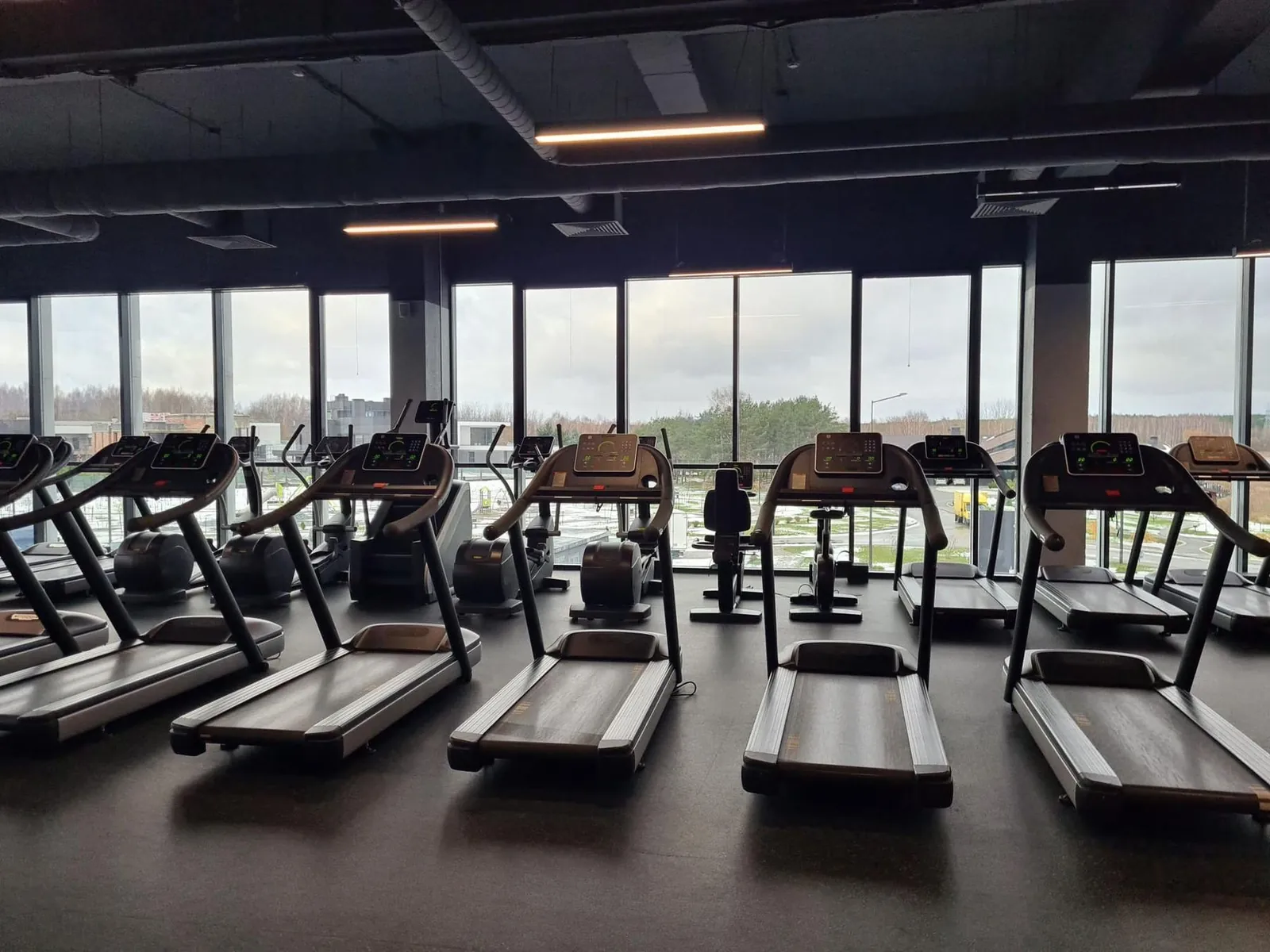
Exercise will not cure burnout, and it does not replace medical or psychological support. What it can do is take the edge off stress, improve sleep and give a demanding week some structure you control. For busy executives, a short, predictable routine of strength training and walking is usually more helpful than an intense plan that becomes one more thing to fail at.
I’m Gawhar Ahmad, licensed pharmacist and head coach at Being Fit. Many of our executive personal training clients come to us during a demanding stretch at work, often living or working in Business Bay, Downtown or DIFC. Here is what the evidence says, and how we build training that supports you instead of draining you.
Key takeaways
- WHO classifies burn-out as an occupational phenomenon, not a medical condition.
- The NHS says exercise will not make stress disappear but can reduce its emotional intensity.
- Short, regular strength sessions are easier to keep than long, punishing ones.
- Sleep, food and alcohol matter as much as the workouts.
- If you feel persistently low or unwell, see your doctor first.
What is burnout?
The World Health Organization includes burn-out in ICD-11 as an occupational phenomenon, not a medical condition. It describes it as a syndrome resulting from chronic workplace stress that has not been successfully managed, with three dimensions: feelings of energy depletion or exhaustion; increased mental distance from your job, or negativism or cynicism about it; and reduced professional efficacy.
That definition matters, because it points at the cause: the workload and how it is managed. Training can help you cope better, but it is one part of the answer.
Can exercise help with work stress?
Yes, within limits. The NHS puts “be active” first in its stress busters and is careful with the wording: exercise will not make your stress disappear, but it can reduce some of the emotional intensity you feel, clear your thoughts and help you deal with problems more calmly. The NHS also notes that regular exercise can boost mood, and that even a brisk 10-minute walk can help you clear your mind and relax.
The same NHS advice warns against leaning on alcohol, smoking or caffeine to cope. Those are common in high-pressure jobs, and they tend to make sleep and energy worse.
Why strength training rather than more cardio?
Both help, and a good week includes both. Strength training has a few advantages when you are stretched: sessions can be short, the progress is easy to see, and the focus it takes gives your mind a break from work. It also covers the World Health Organization guidelines for muscle-strengthening on two or more days a week, which many busy people miss.
What to avoid: very long or exhausting sessions when you are already depleted. If a workout leaves you flattened for the rest of the day, it is too much for this stage.
What does a realistic week look like?
| Day | Session | Length |
|---|---|---|
| Day 1 | Full-body strength with your coach | 45–60 minutes |
| Day 2 | Walk, ideally outdoors in the cooler months | 20–30 minutes |
| Day 3 | Mobility, yoga or easy boxing pads | 30–45 minutes |
| Day 4 | Full-body strength with your coach | 45–60 minutes |
| Days 5–7 | Daily walk; one longer walk or swim at the weekend | 20–60 minutes |
How do sleep and food fit in?
They are part of the plan, not extras. The NHS advice on sleeping better includes a regular routine, time away from screens before bed and being active earlier in the day if late exercise disrupts your sleep. Our pharmacist’s guide to sleep, stress and fat loss goes into more detail. Every package includes a customised nutrition plan built around business lunches and late dinners.
When should you see a doctor first?
If you feel persistently low, anxious or exhausted, are struggling to function, or have chest pain, breathlessness or palpitations, see your doctor before starting a new programme. Our head coach is a licensed pharmacist, and your medical-based assessment considers health history and regular medicines, with blood tests available. If something needs medical care first, we will tell you.
Where can you train in Business Bay?
In your residence gym before work, your office building gym where visiting trainers are allowed, at home in the evening, at our base at Train SF in The Dubai Mall, or online. We are allowed to train in most Dubai communities and private gyms (Damac, Emaar, Al Wasl, Wasl Gate and more). If your building requires approval, we help you with the permission process. See our Business Bay home personal training page and our guide to training in Downtown Dubai and Business Bay.
How do you start?
With a free trial and assessment, then a plan sized to your current energy. Packages run from Essential (3 sessions a week) to VIP (5 to 6 a week, with a dedicated personal trainer, complete nutrition control, 24/7 WhatsApp access and a travel-with-you option). Pricing for every package is on our packages page, or WhatsApp for pricing on 058 572 2691.
Want a training routine that gives you energy back? See how our executive personal training fits around a demanding job. Our Health & Fitness professional-led team is here to help: call 058 572 2691, WhatsApp us on 058 572 2691, email info@beingfit.ae or book your free trial and assessment. Every way to reach us is on our contact page.
Frequently asked questions
Can exercise cure burnout?
No. WHO describes burn-out as resulting from chronic workplace stress that has not been managed. Exercise can help you cope and sleep better, but the cause also needs addressing, and medical support where needed.
What kind of exercise helps with stress?
Any activity you can keep doing. The NHS says exercise can reduce the emotional intensity of stress. Many of our executive clients combine short strength sessions with daily walks.
How long should sessions be when I am exhausted?
Shorter is often better: 45 to 60 minutes with your coach, plus 20 to 30-minute walks. The aim is to finish feeling better, not wiped out.
Should I see a doctor first?
If you feel persistently low or unwell, or have symptoms such as chest pain, yes. Your assessment with us also reviews your health history and medicines.
How do I book?
Book a free trial and assessment, or WhatsApp us on 058 572 2691.
Sources
- World Health Organization: Burn-out an “occupational phenomenon” (ICD-11), 2019
- NHS: 10 stress busters
- NHS: Exercise for depression
- NHS Every Mind Matters: How to fall asleep faster and sleep better
- World Health Organization: Guidelines on physical activity and sedentary behaviour, 2020
This article is general information, not medical advice. If you have a medical condition, are pregnant or take regular medicines, speak to your doctor before starting a new exercise programme.
Choosing a coach? Read our guide to the best personal trainer in Dubai: seven honest checks before you book.