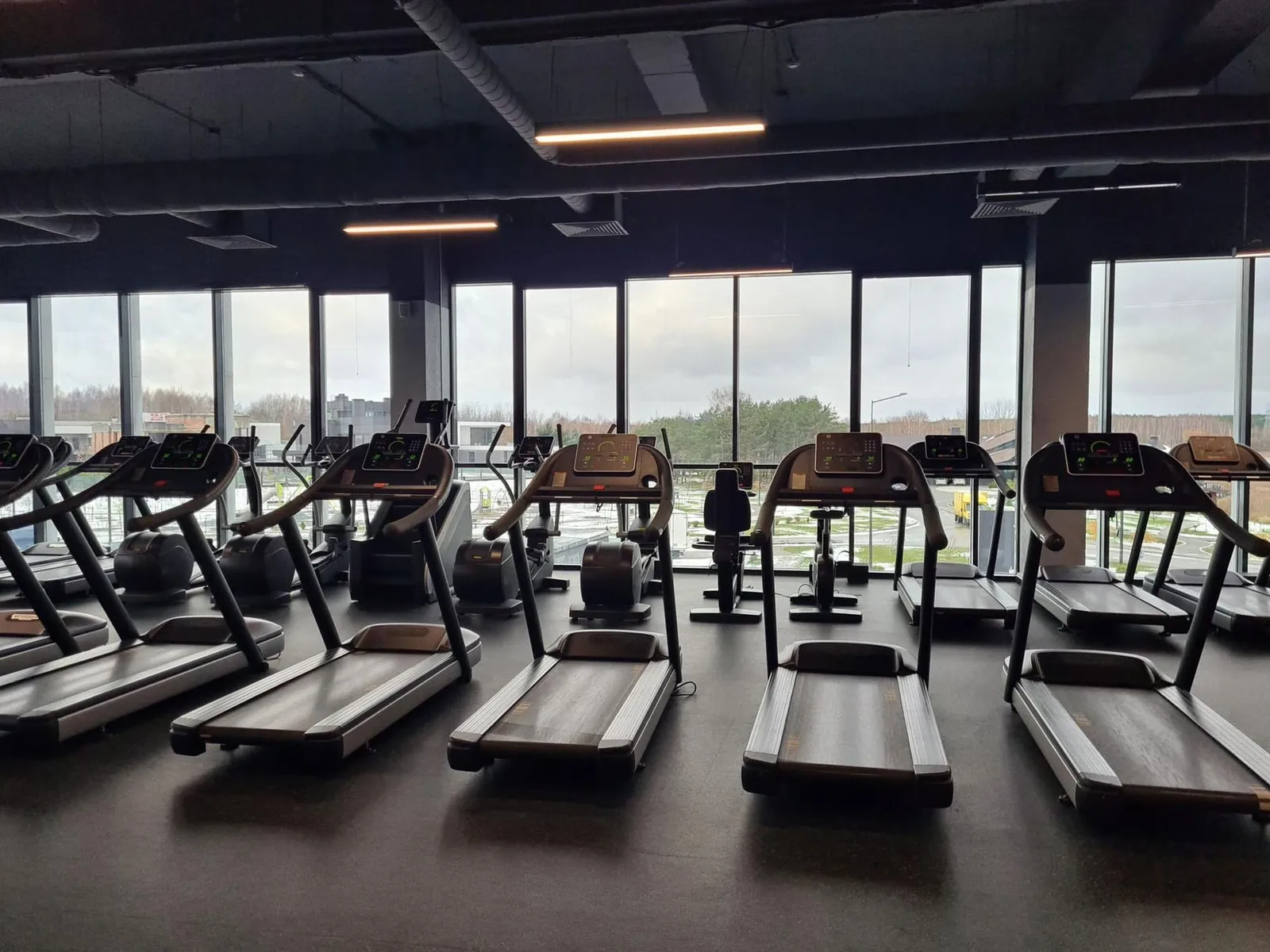
The safest way to train in Dubai’s heat is to move hard sessions indoors or to the cooler ends of the day, drink before, during and after exercise, and stop at the first signs of heat illness. For most workouts water is enough; a sports drink only makes sense for long sessions of around two hours. If you take regular medicines, check with your pharmacist or doctor, because some affect how you cope with heat.
As a pharmacist and head coach, I think two mistakes are especially common in the hot season: people who keep their winter outdoor routine as if nothing has changed, and people who stop training altogether. Neither is necessary. Here is how we plan training through the hot months.
Key takeaways
- Schedule outdoor sessions for early morning or after sunset, and keep the hottest part of the day for air-conditioned training.
- Drink before, during and after exercise, and use your urine colour as a simple guide: pale is good.
- Water is the best choice for most sessions. Sports drinks are for long sessions of around two hours. Do not take salt tablets.
- Learn the signs of heat exhaustion and heatstroke. Heatstroke is a medical emergency: call 998 for an ambulance in the UAE.
- Some medicines and health conditions raise your risk. Ask your pharmacist or doctor before training hard in the heat.
Why is exercising in the heat harder on your body?
Your body cools itself mainly by sweating. According to MedlinePlus, when you exercise in the heat your body sends more blood to the skin and away from the muscles, which pushes your heart rate up, and you lose more fluid through sweat. In humid conditions, sweat stays on the skin and cools you less effectively.
That is why a run that feels easy in January can feel brutal in August, even at the same pace. Your effort is not the problem; the conditions are. Expect your pace and weights to drop on hot days and adjust your targets rather than forcing them.
When is the best time to train outdoors in Dubai?
The NHS advises avoiding the sun between 11am and 3pm in hot weather. In the UAE, the Ministry of Human Resources and Emiratisation’s midday break rule bans outdoor work in direct sun from 12:30pm to 3pm between 15 June and 15 September each year, which tells you how seriously the midday heat is taken here.
For training, that means:
- Early morning for runs, outdoor boxing pad work or beach sessions.
- After sunset for walks and lighter outdoor work.
- Indoors (home, building gym or partner gym) for strength training and intervals during the day.
For most people, the simplest solution is to move sessions into air-conditioned spaces for the hottest months. Strength work loses nothing indoors, and we can still keep conditioning hard and progressive.
How much water should I drink when training in the heat?
There is no single number that suits everyone, because sweat rates vary a lot from person to person. The practical advice from MedlinePlus is to drink before, during and after your workout, even if you do not feel thirsty, and to check that your urine is light or very pale yellow.
A few habits make this easier:
- Arrive at your session already hydrated rather than trying to catch up during it.
- Keep a bottle within reach and take regular sips, especially between sets or rounds.
- Choose cool rather than ice-cold drinks; MedlinePlus notes that very cold drinks can cause stomach cramps.
- Go easy on alcohol, and on caffeinated and very sugary drinks, around training. MedlinePlus advises avoiding them during hot-weather exercise.
Do I need electrolytes or sports drinks?
For most one-hour sessions, water is enough. MedlinePlus suggests that a sports drink may help if you are exercising for a couple of hours, because it replaces salts and minerals as well as fluid; choose a lower-sugar option.
One thing I always say as a pharmacist: do not take salt tablets on your own initiative. MedlinePlus specifically warns that they can increase your risk of dehydration. If you have a heart or kidney condition, or you have been told to limit fluid or salt, follow your doctor’s advice rather than general hydration tips.
What are the warning signs of heat exhaustion and heatstroke?
According to the NHS, heat exhaustion can cause tiredness, dizziness, headache, nausea or vomiting, heavy sweating with pale, clammy skin, cramps in the arms, legs and stomach, a high temperature, intense thirst and irritability.
Heatstroke is more serious. Signs include a very high temperature, hot skin that is not sweating, fast breathing and a fast heartbeat, confusion and restlessness, a seizure, or loss of consciousness.
What should I do if someone overheats?
The NHS recommends four steps for heat exhaustion:
- Move the person to a cool place.
- Remove unnecessary clothing.
- Give them plenty of water to drink. An isotonic sports drink or oral rehydration solution also helps replace lost salt.
- Cool their skin with cool water and fanning. Cold packs wrapped in a cloth under the armpits or on the neck also help.
They should start to feel better within 30 minutes. If they do not, or if they show any signs of heatstroke, treat it as an emergency: in the UAE, call 998 for an ambulance and keep cooling them while you wait.
Do medicines affect how I cope with the heat?
They can. MedlinePlus notes that people taking certain medicines, and people with heart disease, have a higher risk of heat illness, as do children, older adults and people living with obesity.
This is where my pharmacist hat comes on. If you take any regular medicine, including tablets for blood pressure, your heart, diabetes or mental health, ask your pharmacist or doctor a simple question before training hard in the heat: “Does anything I take affect my fluid balance, sweating or heat tolerance?” Never stop or change a prescribed medicine on your own because of the weather.
How do we adapt training for the hot months?
When we plan a client’s programme for the hot season, we usually:
- Move intervals and heavy conditioning indoors, and keep outdoor work short and early.
- Build in longer rest periods and more frequent drink breaks.
- Lower the intensity for the first sessions back in the heat and build up over a couple of weeks.
- Watch for warning signs and stop a session early when needed, without guilt.
- Review the client’s medicines and health conditions as part of the assessment.
Our personal training sessions can take place at home, in your building gym, at partner gyms or online, so the weather never has to stop your progress. You can see how this fits each budget on our packages page.
Want a hot-season plan built around your schedule? Book a free trial session and we’ll find the right times and places for you to train.
Frequently asked questions
Is it safe to run outside in Dubai in summer?
It can be, for healthy people who run early in the morning or after sunset, start gently and stay well hydrated. Avoid the middle of the day, and stop at the first signs of heat exhaustion.
How much water should I drink during a workout?
There is no single figure for everyone. Drink before, during and after exercise, take regular sips, and aim for pale urine. Ask your doctor first if you have been told to limit fluids.
Should I take salt tablets in the heat?
Not on your own initiative. MedlinePlus advises against salt tablets because they can increase the risk of dehydration. For long sessions, a lower-sugar sports drink is a safer choice.
What is the emergency number for an ambulance in the UAE?
Call 998 for an ambulance from anywhere in the UAE. Heatstroke is a medical emergency, so keep cooling the person while you wait.
Can I keep training through the hot months?
Yes. Move strength and interval work indoors, keep outdoor sessions short and early, and adjust intensity to the conditions. Most people can keep progressing all year.
Sources
- NHS: Heat exhaustion and heatstroke
- MedlinePlus (US National Library of Medicine): How to avoid overheating during exercise
- Emirates News Agency (WAM): MoHRE Occupational Heat Stress Prevention Policy, 15 September 2026
- UAE Government portal: Handling emergencies
This article is general information, not medical advice. If you have a medical condition, take regular medicines, are pregnant or have had heat illness before, speak to your doctor or pharmacist before exercising in hot weather. In an emergency in the UAE, call 998.