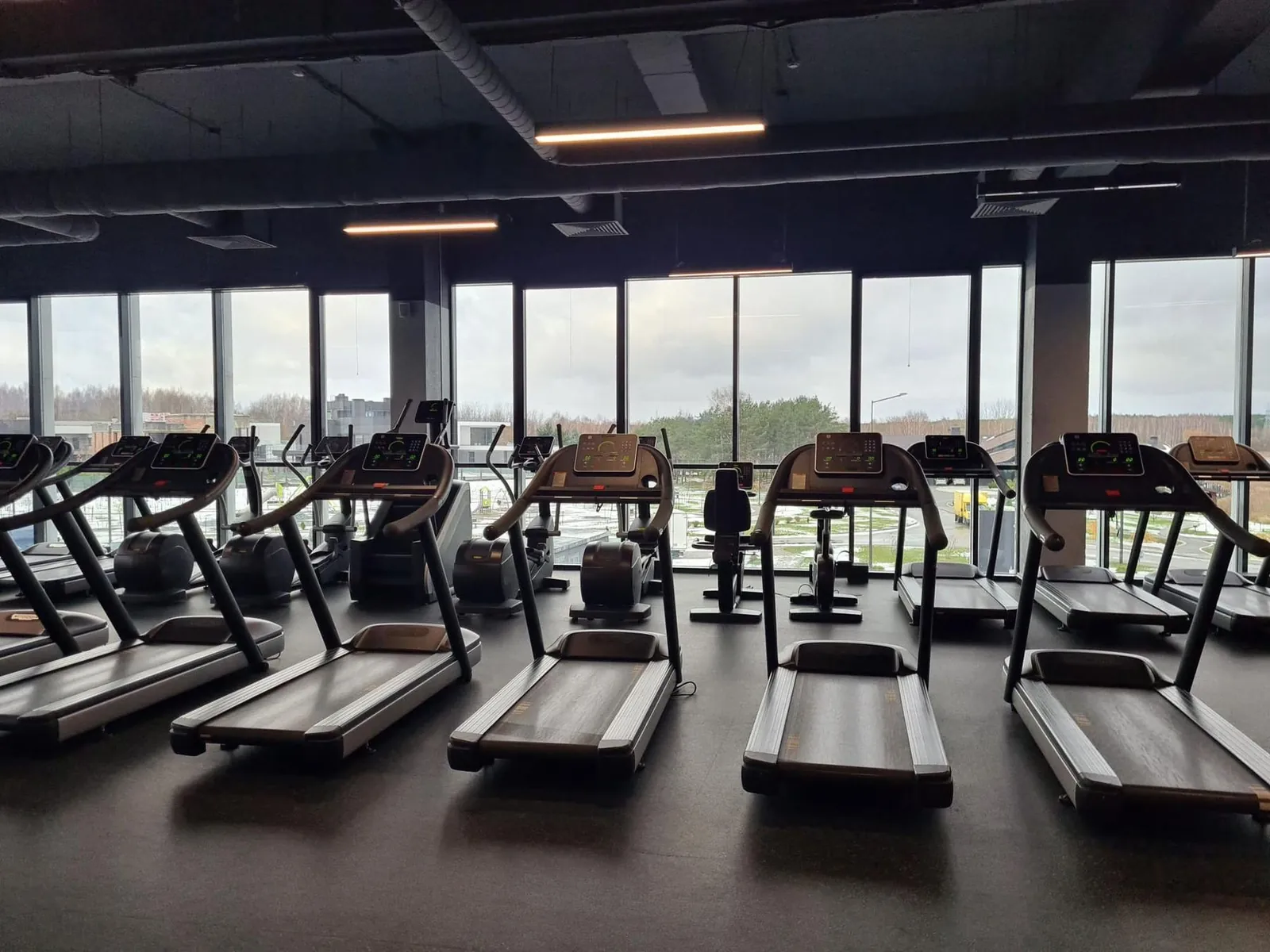
Asthma is a common condition, and many people with it avoid exercise because they worry it will set off their symptoms. The good news is that, for most people whose asthma is well controlled, exercise is not only possible, it is encouraged. The key is understanding your triggers and your medicines.
I’m Gawhar Ahmad, licensed pharmacist and head coach at Being Fit. Asking about medicines and conditions like asthma is a normal part of our Health & Fitness professional-led personal training in Dubai, because it changes how we warm up, how hard we push and what we watch for. Our coaches train clients across Dubai, including in villas and home gyms in Emirates Hills. This is general information; your doctor or asthma nurse manages your asthma and your treatment plan.
Key takeaways
- A Cochrane review of 21 trials found physical training was well tolerated in people with asthma and improved fitness.
- If exercise often triggers your symptoms, it is usually a sign your asthma is not as well controlled as it could be.
- Cold or dry air, dust, pollution, pollen, chlorine and changes in weather can all be triggers during exercise.
- Use your preventer or MART inhaler as prescribed, carry your reliever, and ask your doctor before changing how you use them.
- Stop and use your reliever if you get wheezing, chest tightness or unusual breathlessness, and follow your asthma action plan.
Is exercise good for people with asthma?
Yes, for most people. In 2013, a Cochrane review led by Kristin Carson pooled 21 randomised trials with 772 participants who did physical training for at least 20 minutes, twice a week, for at least four weeks. Training was well tolerated, no adverse effects were reported, and none of the studies reported worsening asthma symptoms after training. Fitness improved clearly, with maximum oxygen uptake rising by about 4.9 mL/kg/min. Lung function measures did not change, which tells us exercise is not a treatment for asthma itself, but it makes everyday life easier. The authors concluded that people with stable asthma should be encouraged to take part in regular exercise without fear of their symptoms getting worse.
Why exercise can trigger symptoms
The NHS lists wheezing, coughing, shortness of breath and a tight chest as the main symptoms of asthma, and names exercise among the things that can trigger them. Asthma + Lung UK, the UK lung charity, explains several reasons this can happen:
- Asthma that is not well controlled. For most people, if exercise triggers asthma, it is a sign that control could be better.
- Fitness and weight. Breathlessness during exercise can also come from a general lack of fitness or carrying extra weight.
- Mouth breathing. During exercise we breathe more through the mouth, so the air is not warmed or moistened, and colder, drier air can make airways narrow.
- Other triggers around you. Pollution and pollen outdoors, dust in a gym or on floor mats, chlorine in pools, and hot weather, cold weather or sudden changes in weather.
In Dubai, that last point matters. Moving from a cold, air-conditioned room into the heat outside is a sudden change, and hazy or dusty days can make outdoor sessions harder. Some people also get tight airways and asthma-like symptoms during exercise without having asthma, which is called exercise-induced bronchoconstriction. Either way, new breathing symptoms deserve a check with your doctor rather than a guess.
The pharmacist’s view: your inhalers and exercise
From a pharmacist’s point of view, the medicine side of asthma matters as much as the exercise side. According to the NHS, depending on your asthma you may be offered an anti-inflammatory reliever (AIR) inhaler to use when you have symptoms, a maintenance and reliever therapy (MART) inhaler used every day and when you have symptoms, or a daily preventer inhaler plus a blue reliever. The NHS says you should not be given a blue reliever inhaler to use on its own.
- Take your preventer or MART inhaler every day as prescribed. Asthma + Lung UK explains that it reduces inflammation in your airways, so you are less likely to react to cold, dry air or pollen when you exercise.
- Always carry your reliever. Bring it to every session and keep it where you and your coach can see it, not in a bag in the car.
- Ask before using a reliever ahead of exercise. An American Thoracic Society guideline strongly recommends a short-acting reliever before exercise for people with exercise-induced bronchoconstriction, but whether this applies to you, and with which inhaler, is a decision for your doctor or asthma nurse.
- Check your technique. The NHS notes that a doctor, nurse or pharmacist will show you how to use your inhaler. Using it correctly helps the medicine work properly, so ask for a check if you are unsure.
- Notice if you need your reliever more often. The NHS advises seeing a GP if you are needing your inhaler more often or your symptoms are stopping your usual activities. Your doctor may review your medicines or add another treatment.
How we adapt training for clients with asthma
Every Being Fit programme starts with a free trial and a medical-based assessment led by me, where we ask about your asthma, your inhalers, your triggers and any recent attacks, and we keep that information private. Then we adjust the plan:
- A longer, gradual warm-up. Asthma + Lung UK suggests warming up before any exercise to reduce the risk of sudden breathlessness. Our guide on how to warm up before strength training shows the routine we build on.
- Build intensity step by step. We start with manageable strength work and moderate conditioning, then increase the challenge gradually as your breathing and fitness allow.
- Indoors on bad-air days. On dusty, hazy or very hot days we move sessions inside, and we keep mats and equipment clean, since dust can be a trigger. Our heat and hydration guide covers the rest of training in Dubai’s climate.
- A clear stop rule. Wheezing, chest tightness or breathlessness that is more than you would expect means we stop, you use your reliever as your action plan says, and we do not push on.
If symptoms become severe, treat it as an asthma attack. The NHS advises sitting up straight, trying to stay calm and using your reliever inhaler as your asthma action plan describes. If you are getting worse, or not improving after using your reliever, call for an ambulance; in the UAE the ambulance number is 998. The NHS also advises seeing a doctor within two days after any asthma attack, even if you feel better.
If you travel often or prefer to train on your own schedule, our online coaching follows the same approach: warm-ups, gradual progression and a plan that respects your triggers.
Emirates Hills
In Emirates Hills, sessions take place in your villa or home gym, or outdoors in the garden in the cooler months. Training at home gives you control over air conditioning, dust and the timing of your session, which can help if you have asthma. Our home personal trainer in Emirates Hills page has local details, and for a dedicated coach with complete nutrition control, see our VIP personal trainer in Emirates Hills page. The full range is Essential (3 sessions a week), Signature (4 a week), Premium (up to 5 a week, at your home or building gym, with priority scheduling) and VIP (5 to 6 private sessions a week), each with a customised nutrition plan. Pricing for every package is on our packages page, or WhatsApp for pricing on 058 572 2691.
Want to train hard with your asthma under control? See how our Health & Fitness professional-led personal training in Dubai works. Our Health & Fitness professional-led team is here to help: call 058 572 2691, WhatsApp us on 058 572 2691, email info@beingfit.ae or book your free trial and assessment. Every way to reach us is on our contact page.
You can also start online coaching, train in the Being Fit app, or browse our guides on the shop page.
Frequently asked questions
Is it safe to exercise with asthma?
For most people with well-controlled asthma, yes. A Cochrane review found physical training was well tolerated and improved fitness. Check with your doctor first if your asthma is not well controlled or you have had a recent attack.
Why do I get breathless and wheezy when I exercise?
It can be a sign your asthma is not as well controlled as it could be, or a reaction to cold, dry air, dust, pollution or pollen. A lack of fitness can also cause breathlessness. See your doctor or asthma nurse for a review.
Should I use my inhaler before I train?
Some people are advised to, but ask your doctor or asthma nurse first. Keep using your preventer or MART inhaler every day as prescribed and always carry your reliever.
What exercise is best for asthma?
There is no single best type for everyone. What matters most is good asthma control, a gradual warm-up and building intensity step by step.
How do I see pricing?
Pricing for every package is on our Packages page, or WhatsApp us on 058 572 2691. Your first session is a free trial and assessment.
Sources
- NHS: Asthma
- Asthma + Lung UK: Exercise, physical activity and asthma
- Carson KV et al. Physical training for asthma. Cochrane Database Syst Rev 2013;(9):CD001116
- Parsons JP et al. An official American Thoracic Society clinical practice guideline: exercise-induced bronchoconstriction. Am J Respir Crit Care Med 2013;187(9):1016-1027
This article is general information, not medical advice. If you have a medical condition, are pregnant or take regular medicines, speak to your doctor before starting a new exercise programme.
Choosing a coach? Read our guide to the best personal trainer in Dubai: seven honest checks before you book.